






Which SUV leads in crawl ratio and approach angle for Milwaukee, WI adventures — the 2026 Jeep Wrangler or 2026 Ford Bronco?
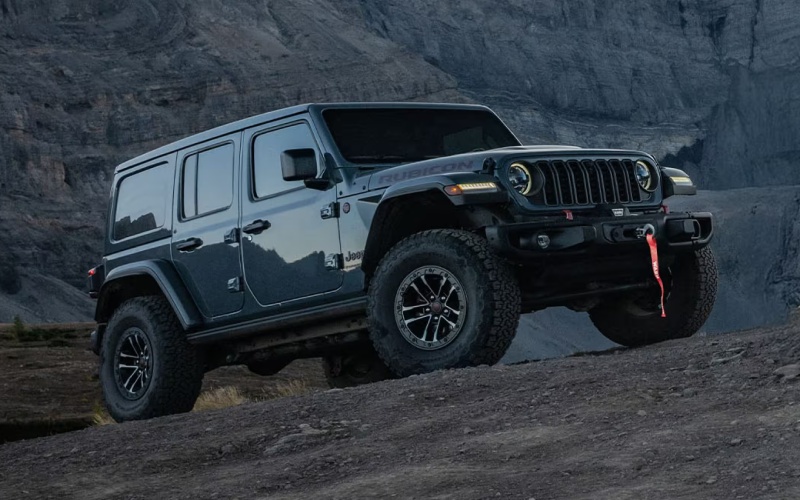
City Jeep of Brookfield – Which SUV leads in crawl ratio and approach angle for Milwaukee, WI adventures — the 2026 Jeep Wrangler or 2026 Ford Bronco?
Shoppers often ask one core question when cross-shopping these icons: which is better at ultra-low-speed control and clearing steep obstacles? Crawl ratio and approach angle make a tangible difference when you’re easing down a washed-out two-track near Lake Michigan bluffs or climbing up a rock garden beyond the county line. In this focused look at the 2026 Jeep Wrangler and 2026 Ford Bronco, we’ll unpack how gearing, axles, tires, and front-end geometry influence the moment you need traction and finesse more than raw horsepower.
Crawl ratio is the multiplication of first-gear transmission ratio, transfer case low range, and axle ratio. A higher number equals more torque multiplication and slower tire speed for the same engine rpm—think finer throttle control and less clutch work. The 2026 Wrangler, when equipped with the 6-speed manual, Rock-Trac® 4×4 System (4:1 low range), and available 4.88:1 axle ratio, can deliver an outstanding 100:1 crawl ratio. Bronco offers an aggressive crawler gear with its 7-speed manual, posting a high-90s crawl ratio, but it doesn’t crack triple digits. On ledgy climbs and narrow shelves, that extra margin in the Wrangler gives you time—time to pick a line, feel for traction, and correct without lurching.
Why approach angle matters as much as ground clearance
Approach angle is the maximum incline you can drive onto without the front overhang making contact. It’s not just an off-road brag number; it’s a practical measure of how easily your SUV noses up to and over obstacles, berms, and ledges. The 2026 Wrangler 4-door posts a best-in-class available 47.4-degree approach angle when properly equipped, aided by smart radar placement above the rearview mirror and the availability of winch-capable steel bumpers that stay tight to the frame. Bronco’s approach angles are competitive—especially with the Sasquatch® Package—but its bumper and sensor packaging can be more limiting once you start adding accessories. If your trail repertoire involves steep breakovers onto ledges, the Wrangler’s numbers translate into fewer scrapes and more confident first attempts.
It’s also worth looking at how axle design supports traction. The Wrangler uses solid front and rear axles across the lineup, which keeps tire contact and articulation predictable when one side of the vehicle compresses and the other droops. Bronco opts for an independent front suspension. While IFS can improve on-road ride at speed, solid axles shine during slow, technical crawls where wheel placement and even weight transfer reduce surprise wheelspin. Add available Tru-Lok® electronic locking differentials, the Electronic Sway Bar Disconnect, and 35-inch tire availability, and the Wrangler builds a cohesive, low-speed traction story.
Everyday impact: Milwaukee streets and nearby trailheads
Numbers only matter if they improve real-life use. On Milwaukee’s patchwork streets or snow-banked alleys, a higher crawl ratio equates to smoother throttle modulation and less driveline shock as you ease over icy ruts. A stronger approach angle helps with sharp driveway transitions or the lip at the edge of an unplowed lot. Both SUVs can do the job; the Wrangler simply asks for fewer compromises, especially once you start customizing with front bumpers, a winch, or a forward-facing camera. And with Selec-Trac® Full-Time 4×4 available, Wrangler can automatically manage front/rear torque on mixed-surface commutes without constant driver input.
Quick reference: crawl and approach advantages
- Crawl ratio headroom: Wrangler’s available 100:1 setup (manual, Rock-Trac® 4:1, 4.88 axle) outpaces Bronco’s high-90s figure for the finest low-speed control.
- Approach geometry: Wrangler 4-door offers a best-in-class available 47.4-degree approach angle, aiding ledge climbs and driveway lips.
- Accessory-friendly front end: Wrangler relocates front radar above the mirror, helping preserve bumper clearance for winches and steel hardware.
Open-air capability also matters to local enthusiasts. The Wrangler’s new quick-release hinges let you remove the doors without tools—fast and less fussy before a sunrise run to the lakefront. Bronco’s doors come off too, but require tools and extra time; its cowl-mounted mirrors are convenient, yet the Wrangler’s minimalist setup and abundant Mopar® options keep the process streamlined. Topping it off, the available Sky One-Touch® Power Top brings a genuine “have your cake and eat it too” moment: closed cabin comfort on the freeway, then at the press of a button the roof retracts for a breezy roll down Lincoln Memorial Drive.
How to choose your setup
If low-speed traction is your priority, prioritize the Wrangler’s manual transmission and Rock-Trac® 4×4 System with an available 4.88 axle. If you prefer an automatic for city life and trailheads, the 8-speed’s close ratios still pair beautifully with the Wrangler’s transfer case choices. Consider 35-inch tires if you regularly contend with deep ruts or ledges—Wrangler supports them with gearing and, on Rubicon, an available heavy-duty full-float rear axle that’s built for demanding use. Bronco loyalists will rightly point to its available HOSS suspension tuning and strong tech suite; both are excellent at speed. But for Milwaukee-area terrain—tight, slow, and technical—the Wrangler’s gearing and geometry advantages pay dividends where you’ll feel them most.
- Define your terrain: If your adventures involve tight woods, steep ledges, or rocky shelves, crawl ratio and approach angle matter most.
- Pick your drivetrain: Manual plus Rock-Trac® 4:1 and 4.88 axle maximizes crawling; Selec-Trac® Full-Time 4×4 simplifies mixed-surface commutes.
- Plan accessories: Consider radar location, bumper geometry, and winch options before you buy—Wrangler packages these with fewer tradeoffs.
For many shoppers, the deciding factor is how a vehicle feels in those delicate throttle moments. When the nose is pointed up and one tire is hovering, the Wrangler’s extra crawl-ratio headroom, packaging choices, and axle design provide a calmer, more composed experience. That composure carries over to winter driving and to everyday, not-very-exciting tasks—like easing over plow berms without jolting the cabin.
If you’re mapping out the right configuration, City Chrysler Dodge Jeep Ram Fiat of Brookfield is happy to walk you through trims, axle ratios, and 4×4 systems. Our team is serving Pewaukee, Waukesha, and Milwaukee with spec advice rooted in our local roads, parks, and trail access points, so your build feels dialed in from day one.
Frequently Asked Questions:
Does the Wrangler’s 100:1 crawl ratio require a manual transmission?
Yes. You’ll need the 6-speed manual, Rock-Trac® 4×4 System with 4:1 low range, and the available 4.88:1 axle ratio to achieve the 100:1 figure. Automatic-equipped Wranglers still offer excellent low-speed control thanks to close-ratio gearing and transfer case options.
Will the Wrangler’s best-in-class available approach angle change if I add a winch or steel bumper?
Approach angle depends on bumper design and accessory packaging. Wrangler places key radar hardware above the mirror, which helps you select winch-capable steel bumpers with minimal impact to front clearance.
How do 35-inch tires affect low-speed control?
Larger tires can slightly reduce effective gearing. Wrangler counters this with available axle ratios, the Rock-Trac® 4:1 low range, and hardware like the Electronic Sway Bar Disconnect and Tru-Lok® lockers to maintain precise traction.
Is the Bronco’s independent front suspension a disadvantage off-road?
It depends on terrain. IFS can handle higher-speed whoops well. For slow, technical crawling, the Wrangler’s solid axles generally offer more predictable articulation and weight transfer across uneven surfaces.
Which open-air option is easiest for quick changes before a drive?
Wrangler’s quick-release, no-tools door hinges make fast transitions simple. For the roof, the available Sky One-Touch® Power Top lets you go open-air at the press of a button—no tools or storage fuss.
0 comment(s) so far on Which SUV leads in crawl ratio and approach angle for Milwaukee, WI adventures — the 2026 Jeep Wrangler or 2026 Ford Bronco?